
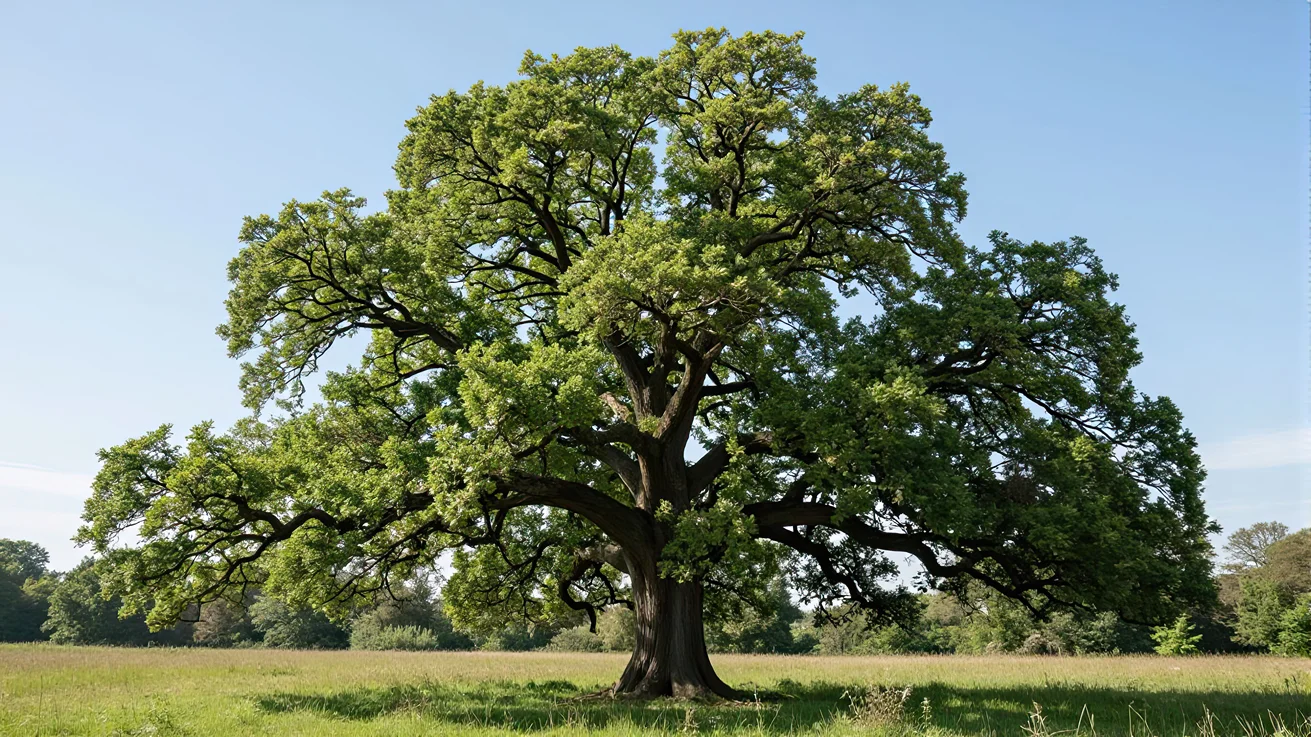
Understanding Tree Biology and Timing
Mature trees represent decades of growth and significant landscape value, but improper pruning can severely damage or kill even the most resilient specimens. Understanding tree biology is the foundation of safe pruning practices. Trees compartmentalize wounds by forming protective barriers around cuts, a process that requires energy reserves and optimal timing. When you remove living tissue, you’re asking the tree to redirect resources from growth and defense toward healing.
Timing your pruning work correctly makes the difference between a tree that thrives and one that struggles. In the Frisco area, late winter through early spring (typically February through March) offers the ideal window for most species. Trees are dormant during this period, which minimizes stress and sap loss while allowing wounds to begin compartmentalizing before the spring flush of growth. Oak trees require special consideration due to oak wilt disease, which spreads through fresh wounds during warm months. Never prune oaks from February through June in North Texas unless you immediately seal all cuts with wound dressing.
Different species respond differently to pruning. Fast-growing trees like ash and elm tolerate more aggressive pruning than slow-growing species such as magnolia or dogwood. Conifers have limited ability to generate new growth from old wood, making any mistake potentially permanent. Before making any cuts, identify your tree species and research its specific pruning tolerance. The energy reserves stored in a mature tree’s root system can sustain moderate pruning, but removing more than 25 percent of the canopy in a single season forces the tree to deplete these reserves, leaving it vulnerable to disease, pest infestation, and environmental stress.
Pre-Pruning Assessment and Planning
Effective pruning begins long before you pick up a saw. Conduct a thorough assessment of the entire tree, starting from the base and working upward through the canopy. Look for dead or dying branches, which appear brittle with no flexible movement and lack buds or leaf growth during the growing season. Identify crossing or rubbing branches that create wounds where bark damage provides entry points for pathogens. Note any branches with narrow crotch angles (less than 45 degrees), which have weak attachments prone to failure.
Evaluate the tree’s overall structure and balance. A well-formed mature tree displays a dominant central leader or, in species like live oak, a balanced framework of major scaffold branches. Examine the distribution of weight throughout the canopy. Heavy branches extending far from the trunk create leverage that can tear during storms, particularly during the severe thunderstorms common in North Texas from April through June. These conditions place extraordinary stress on already compromised branches.
Create a mental map or sketch of which branches to remove and in what order. Prioritize the three D’s: dead, diseased, and damaged wood. These removals improve tree health without significantly altering the canopy structure. Next, identify structural problems such as co-dominant leaders competing for apical dominance, which often split under stress. Finally, consider selective thinning to reduce wind resistance and allow light penetration to interior branches, but never remove more than 15 to 20 percent of living crown in a single year for a mature specimen.
Stand back and observe the tree from multiple angles. Professional tree pruning services use this comprehensive view to visualize the finished result before making the first cut. This planning phase prevents the common mistake of removing too much material or creating an unbalanced appearance that cannot be corrected without years of corrective growth.
Essential Pruning Techniques
Proper cutting technique protects the tree’s natural defense mechanisms. The branch collar, a slightly swollen area where the branch joins the trunk or parent branch, contains specialized cells that compartmentalize wounds. Cutting flush with the trunk removes this protective tissue and creates a larger wound that cannot heal properly. Instead, make your cut just outside the branch collar, preserving the ridge of bark that angles from the crotch upward.
For branches larger than one inch in diameter, use the three-cut method to prevent bark tearing. Make the first cut on the underside of the branch, approximately 12 to 18 inches from the trunk, cutting upward about one-quarter through the branch diameter. Move several inches farther out and make the second cut from the top downward, removing the bulk of the branch weight. The branch will break away cleanly at the first cut without tearing bark down the trunk. Finally, remove the remaining stub with a careful cut just outside the branch collar.
Angle cuts on branches that will remain to promote water shedding. Water pooling in flat cuts or branch crotches encourages decay. Use sharp, clean tools for every cut. Dull blades crush tissue instead of slicing cleanly, creating ragged wounds that heal slowly. Sterilize cutting surfaces between trees with a solution of one part bleach to nine parts water, or use rubbing alcohol to prevent disease transmission. This practice is particularly important in areas where oak wilt, hypoxylon canker, or other infectious diseases are present.
Avoid topping or heading cuts that remove large portions of main branches or the central leader. These cuts remove the tree’s food production capacity and trigger rapid growth of weakly attached water sprouts. A topped tree never regains its natural form and remains structurally compromised. If a tree has grown too large for its location, selective branch removal or cabling provides better alternatives. When structural issues exceed safe DIY capabilities, professional tree trimming service providers have the equipment and expertise to handle complex pruning situations safely.
Post-Pruning Care and Monitoring
The weeks following pruning determine whether your tree thrives or declines. Adequate water is essential during the recovery period. Mature trees have extensive root systems, but pruning reduces the canopy’s ability to draw water upward through transpiration. Deep watering to a depth of 12 to 18 inches every seven to ten days during dry periods supports the healing process. In the Frisco region, where clay soils retain moisture but drain poorly, adjust watering based on rainfall and soil conditions. Overwatering in heavy clay can be as damaging as drought stress.
Avoid fertilizing immediately after pruning. The tree needs to focus energy on wound compartmentalization, not on producing new growth. Wait at least one full growing season before applying fertilizer, and then use a slow-release formulation that provides nutrients gradually. Fresh pruning wounds are attractive to certain insects, particularly borers that attack stressed trees. Monitor your tree regularly for signs of insect activity such as sawdust-like frass, entry holes, or unusual amounts of sap flow.
Watch for signs of decline in the months following pruning. Wilting leaves during the growing season, premature fall color, excessive water sprout growth, or mushroom formations at the base all indicate problems that require immediate attention. Many diseases and structural failures become apparent only after stress events like pruning. A tree that appeared healthy may reveal hidden decay or root problems once the canopy balance changes.
Document your pruning with dated photographs from multiple angles. This record helps you track the tree’s response over time and provides valuable information if problems develop. Major structural pruning should occur no more frequently than every three to five years for mature trees. Annual maintenance might include only minor deadwood removal and occasional corrective cuts.
Recognizing when a situation exceeds safe DIY capability protects both you and your trees. Trees near power lines, those requiring climbing or aerial work, and any project involving branches larger than four inches in diameter warrant consultation with qualified professionals. Tree services in the area maintain liability insurance, proper equipment, and trained personnel to handle complex or hazardous situations. What seems like a cost saving can become expensive when improper technique damages a mature specimen worth thousands of dollars in landscape value, or when personal injury occurs. Professional assessment often identifies problems invisible to untrained eyes, providing peace of mind that your valuable landscape assets receive appropriate care.
When to Call Professional Tree Services
The weeks following pruning determine whether your tree thrives or declines. Adequate water is essential during the recovery period. Mature trees have extensive root systems, but pruning reduces the canopy’s ability to draw moisture and triggers healing processes that require additional resources. During typical Frisco summers, newly pruned trees benefit from deep watering once weekly, applying water slowly to penetrate twelve to eighteen inches into the soil.
Monitor the pruning sites regularly for signs of stress or disease. Healthy cuts should dry and begin compartmentalizing within days. If you notice excessive sap flow, fungal growth, or darkening tissue around cuts, these indicate potential infection that requires immediate attention. Avoid applying wound dressings or sealants, which research shows can trap moisture and pathogens rather than protect the tree.
Watch for new growth patterns in the months after pruning. The tree should produce vigorous shoots near pruning sites and throughout the canopy. Sparse foliage, yellowing leaves, or die-back in previously healthy areas signal that the tree is struggling. These symptoms may indicate over-pruning, root damage, or environmental stress compounded by the pruning event. Document your observations with photographs to track recovery progress and identify emerging problems early.